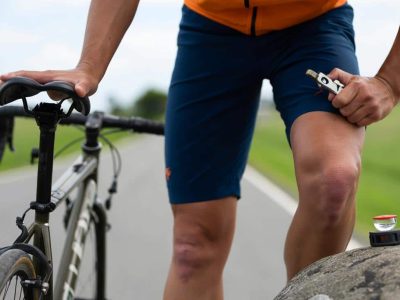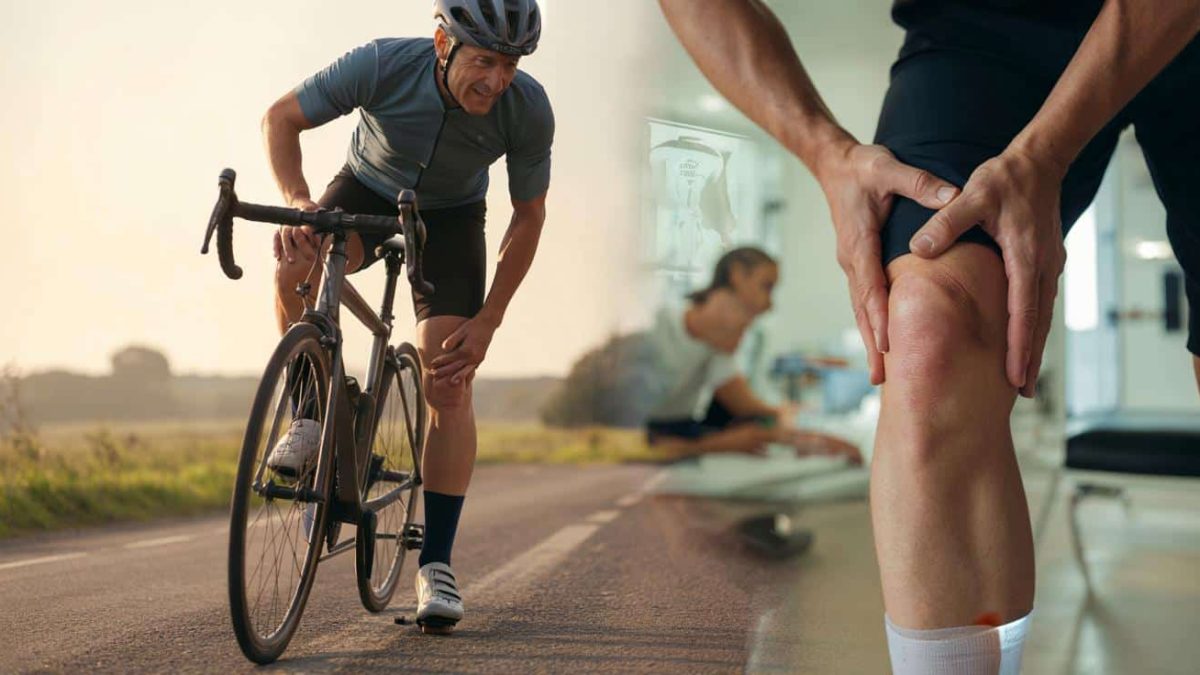
The sun is just peeking over the asphalt, the chain hums softly, and your legs seem to turn almost effortlessly. But then, after just ten minutes, that sharp pain in the front of your knee starts. One more time, and you’re forced to stop, rubbing your knee and wondering what’s going on.
Knee pain is a common issue for cyclists, and it can be a real roadblock to enjoying your rides. But the good news is that the cause is often something that can be addressed relatively easily. We spoke to some physiotherapists to get to the bottom of this common cycling complaint.
Understanding the Anatomy of Cyclist’s Knee Pain
The knee joint is a complex structure made up of bones, ligaments, and tendons. When cycling, the repeated motion of pedaling can put a lot of stress on these components, particularly the patellofemoral joint – the area where the kneecap (patella) meets the thigh bone (femur).
According to physiotherapist Sarah Müller, this is often the source of the pain cyclists experience. “The kneecap acts as a pulley, guiding the quadriceps tendon as it pulls on the tibia to extend the knee. Over time, this can cause irritation and inflammation in the joint.”
This condition is known as patellofemoral pain syndrome, and it’s one of the most common overuse injuries seen in cyclists.
Factors That Contribute to Knee Pain
While the patellofemoral joint is often the root of the problem, there are a number of factors that can contribute to or exacerbate knee pain in cyclists. These include:
Cycling Technique and Bike Fit
Poor pedaling technique, such as excessive side-to-side movement of the knees or pushing too hard on the pedals, can put additional stress on the knee joint. Likewise, an improper bike fit, with the seat too high or low or the cleats misaligned, can also lead to knee issues.
“A good bike fit is essential for cyclists to avoid overuse injuries like patellofemoral pain,” says physiotherapist Thomas Weber. “Taking the time to get your position dialed in can make a big difference.”
Muscular Imbalances
Weakness or tightness in the muscles surrounding the knee, such as the quadriceps, hamstrings, and hip flexors, can affect how the patella tracks and lead to pain. Strengthening and stretching these muscle groups is often an important part of treatment.
“We frequently see cyclists with tight hip flexors or weak glutes, which can pull the kneecap out of alignment,” explains Müller. “Addressing those imbalances through targeted exercises can provide a lot of relief.”
Previous Injury or Underlying Condition
If you’ve had a previous knee injury, such as a sprain or surgery, you may be more prone to developing patellofemoral pain while cycling. Underlying conditions like arthritis can also make the knee joint more susceptible to irritation.
“Any kind of prior trauma or underlying joint issue is going to make the knee more vulnerable to overuse problems,” says Weber. “It’s important to take that into account when trying to address the pain.”
Preventing and Treating Cyclist’s Knee Pain
The good news is that cyclist’s knee pain is often treatable with a combination of adjustments to cycling technique, targeted strengthening and flexibility exercises, and in some cases, manual therapy.
| Prevention | Treatment |
|---|---|
|
|
“The key is addressing the underlying cause, not just masking the symptoms. That’s why working with a qualified physiotherapist is so important for cyclists dealing with knee pain.”
– Dr. Lisa Müller, Sports Medicine Specialist
While it may be tempting to simply take pain medication or buy a new pair of cycling shoes, Müller cautions that this often only provides temporary relief. “The real solution lies in understanding what’s causing the pain and taking steps to address that root issue.”
By working with a physiotherapist to develop a comprehensive treatment plan, many cyclists are able to overcome their knee pain and get back to enjoying their rides pain-free.
FAQs: Dealing with Cyclist’s Knee Pain
How long does it typically take to recover from cyclist’s knee pain?
Recovery time can vary depending on the severity of the injury and the individual’s response to treatment, but most people see significant improvement within 4-6 weeks of starting a rehabilitation program.
Can I continue cycling while recovering from knee pain?
It’s generally best to take a break from cycling while your knee is painful and work on rehab exercises first. Once the pain starts to subside, you can try gradually reintroducing cycling, but listen to your body and don’t push through pain.
What kind of exercises help with cyclist’s knee pain?
Strengthening the quadriceps, hamstrings, and hip muscles is key, as well as improving flexibility in those areas. Your physiotherapist can prescribe a personalized exercise program targeting the specific muscle imbalances contributing to your knee issues.
Do I need special cycling shoes or pedals to prevent knee pain?
Proper bike fit is more important than specific cycling shoes or pedals. However, some cyclists do find that switching to clipless pedals or using orthotics in their shoes can help with knee alignment and tracking.
When should I see a physiotherapist about my knee pain?
If you’re experiencing persistent or worsening knee pain that interferes with your cycling, it’s a good idea to see a physiotherapist. They can properly diagnose the issue and develop a targeted treatment plan.
Can knee pain while cycling be a sign of a more serious condition?
In some cases, yes. Ongoing or severe knee pain may indicate an underlying issue like arthritis, a ligament tear, or other joint damage. It’s always best to have a physiotherapist or doctor evaluate persistent knee problems.
What lifestyle factors can contribute to cyclist’s knee pain?
Things like excess weight, poor posture, and lack of overall lower body strength and mobility can all make cyclists more susceptible to knee issues. Addressing these factors through diet, exercise, and ergonomic adjustments can help prevent and manage knee pain.
Are there any supplements that can help with cyclist’s knee pain?
While some supplements like glucosamine and chondroitin may provide mild relief for osteoarthritis-related knee pain, the best approach is to focus on treating the root causes through physical therapy and lifestyle changes. Supplements should not replace professional treatment.