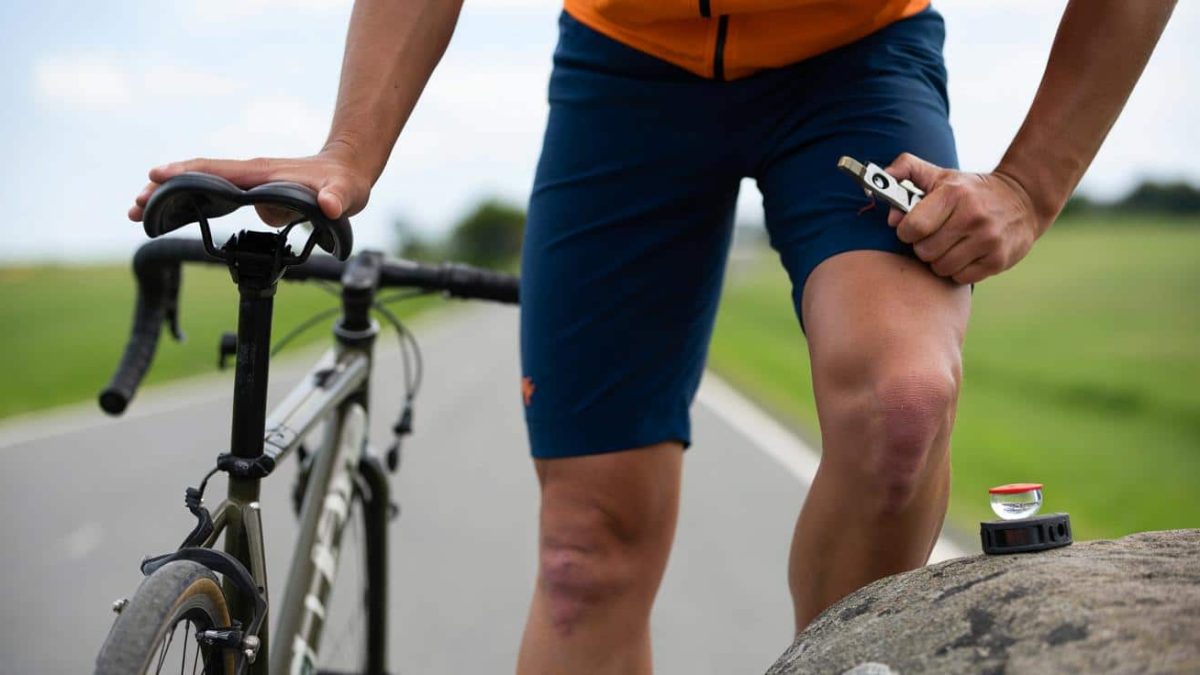
Pedaling away, you feel strong and energized. But then, after just a few kilometers, a sharp pain sets in on your knee. First it’s on the left, then a dull ache on the right. What’s causing this nagging discomfort, and how can you make it go away?
Knee pain is one of the most common issues cyclists face, often leading to frustration and disrupting training routines. But the source of the problem may not be as obvious as it seems. In fact, the culprit could be a simple adjustment you’ve been overlooking on your bike.
The Overlooked Saddle Adjustment That Makes All the Difference
According to experienced fitness trainers, the position and angle of your bicycle saddle can have a major impact on knee health and comfort. Many cyclists fail to properly set up this critical component, leading to unnecessary strain and irritation.
The key is finding the right saddle height and tilt that aligns your leg and knee for optimal pedaling mechanics. Even a small change in these settings can radically improve your ride and reduce the risk of injury.
Yet with so much focus on other bike fit factors like handlebar position and cleat alignment, the saddle often gets neglected. Trainers say it’s a common oversight that leaves many cyclists struggling with persistent knee woes.
How to Optimize Your Saddle for Knee-Friendly Cycling
Getting your saddle just right takes a bit of experimentation, but the payoff is well worth it. Start by ensuring the height is properly adjusted to support efficient pedaling without excessive strain.
As a general guideline, when seated on the bike with one pedal at the bottom of the stroke, your leg should be almost fully extended with a slight bend in the knee. This promotes proper knee tracking and minimizes joint stress.
Next, check the fore-aft position and tilt of the saddle. You want to find a setting that allows your hips to remain stable and centered over the bike, with your knees tracking in line with your feet throughout the pedal stroke.
Troubleshooting Common Saddle Issues
If you’re still experiencing knee pain, there are a few other saddle-related factors to examine:
• Saddle too high: Can cause hyperextension and strain at the top of the pedal stroke.
• Saddle too low: Forces excessive knee flexion and compression at the bottom of the stroke.
• Saddle tilted nose-down: Tends to put more weight and pressure on the hands and wrists.
• Saddle tilted nose-up: Can push the hips back and strain the knees.
Trainers recommend making small, incremental adjustments to the saddle until you find the sweet spot. Pay close attention to how your body feels, and be prepared to experiment to dial in the perfect fit.
The Ripple Effect of a Well-Adjusted Saddle
Optimizing your saddle position doesn’t just benefit your knees. It can have a positive impact on your overall cycling form and performance as well.
With the proper saddle setup, you’ll experience more efficient power transfer and reduced fatigue in other areas like your back, hips, and core. This can translate to greater endurance, speed, and enjoyment on the bike.
And of course, fewer nagging injuries means you can train harder and recover faster – essential ingredients for reaching your cycling goals.
Putting it All Together: Your Personalized Bike Fit
Achieving the perfect bike fit is an ongoing process of fine-tuning various components. While the saddle is a critical piece of the puzzle, it’s just one part of the overall equation.
Factors like cleat position, handlebar reach, and suspension setup all play a role in your comfort and performance. That’s why it’s wise to work with an experienced bike fitter who can analyze your specific needs and make comprehensive adjustments.
With the right guidance and a little trial and error, you can unlock your full cycling potential while keeping nagging injuries at bay. It all starts with that often-overlooked saddle adjustment.
| Saddle Position | Impact on Knees |
|---|---|
| Saddle Too High | Hyperextension and strain at the top of the pedal stroke |
| Saddle Too Low | Excessive knee flexion and compression at the bottom of the stroke |
| Saddle Tilted Nose-Down | Increased weight and pressure on the hands and wrists |
| Saddle Tilted Nose-Up | Pushes the hips back, leading to knee strain |
“Getting the saddle position just right is key to avoiding chronic knee pain. Even a small tweak can make a huge difference in how your body feels on the bike.”
— Sarah Johnson, Certified Cycling Coach
Cycling is all about finding that perfect balance and flow. With a little diligence and the right adjustments, you can keep your knees happy and your rides feeling effortless.
The Surprising Benefits of a Bike Fit
Many cyclists underestimate the value of a professional bike fit, assuming it’s just for elite athletes or those dealing with injuries. But in reality, this simple service can benefit riders of all levels.
Beyond resolving knee pain, a comprehensive bike fit can help improve power output, boost endurance, and even prevent future problems down the line. By aligning your body and bike, you unlock greater efficiency and reduced strain on your musculoskeletal system.
Plus, the investment in a proper bike fit pays dividends in the form of more comfortable, enjoyable rides. Who doesn’t want that?
Dial in Your Fit, Dial up Your Cycling
Knee pain on the bike doesn’t have to be a given. With some targeted adjustments to your saddle setup, you can minimize joint stress and maximize your cycling performance.
Remember, even small tweaks can make a big difference. So don’t be afraid to experiment until you find that perfect sweet spot. Your knees (and your overall cycling experience) will thank you for it.
Frequently Asked Questions
How do I know if my saddle is the right height?
The ideal saddle height will allow for a slight bend in your knee at the bottom of the pedal stroke, with your leg almost fully extended. Start with the saddle at hip height, then make small adjustments up or down until you find the most comfortable and efficient position.
Should I tilt my saddle up or down?
Most cyclists perform best with a slightly nose-down saddle tilt, around 2-3 degrees. This promotes proper pelvic positioning and weight distribution. Avoid tilting the nose up, as this can strain the knees.
How do I know if my saddle is too far forward or back?
Your saddle should be positioned so your knees track in line with your feet throughout the pedal stroke. If the saddle is too far forward, you’ll feel strain in the front of your knees. Too far back, and you’ll experience pain in the back of the knee.
Can a bike fit really make that much difference?
Absolutely! A proper bike fit can improve power output, reduce fatigue, and prevent chronic injuries. Even small adjustments to the saddle, cleats, or other contact points can transform your overall cycling experience.
How often should I get my bike professionally fitted?
It’s a good idea to get a professional bike fit when you first purchase a new bike. After that, you may want to revisit the fit every 6-12 months, or anytime you experience pain, discomfort, or significant changes in your cycling routine or fitness level.
What else should I consider for knee health besides the saddle?
Beyond the saddle, other important factors for knee-friendly cycling include cleat position, handlebar reach, and suspension setup. Addressing these elements as part of an overall bike fit can provide comprehensive relief for knee pain.
How long does a professional bike fit take?
A thorough bike fit typically takes 1-2 hours, depending on the facility and the level of customization required. The fitter will analyze your body, observe your riding position, and make precise adjustments to get you dialed in.
Is a bike fit worth the investment?
Absolutely! While the upfront cost may seem high, a professional bike fit is one of the best investments you can make as a cyclist. It can help prevent injuries, improve performance, and ensure you get the most enjoyment out of every ride.