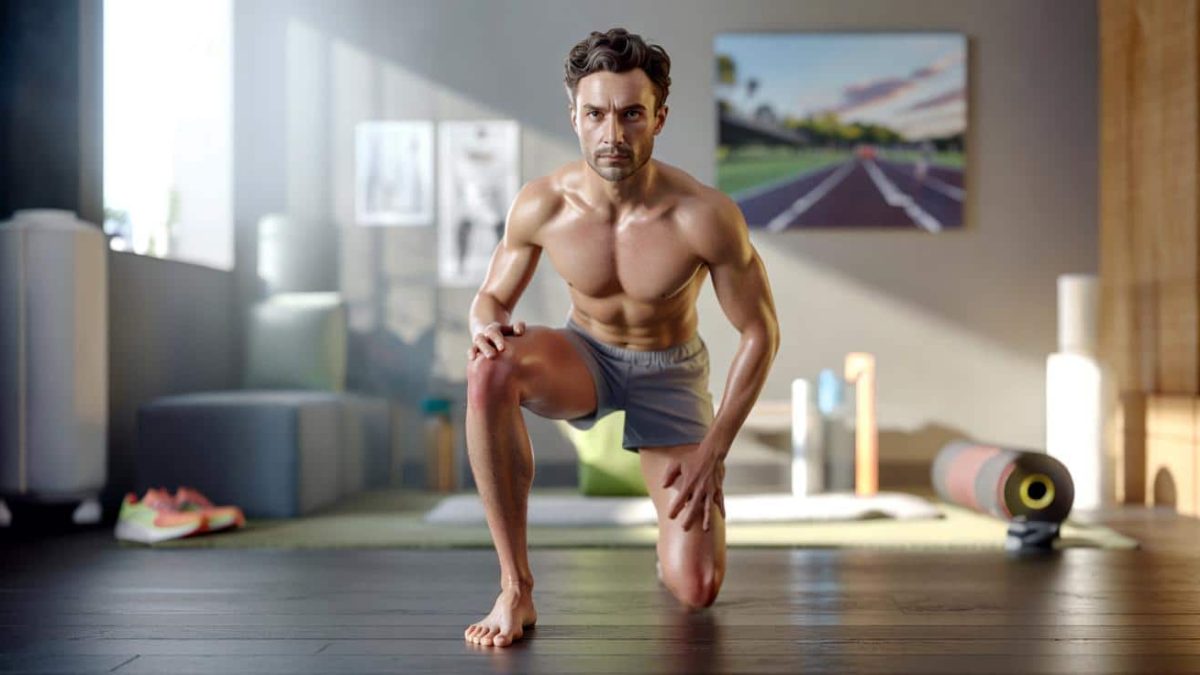
You sit down, still feeling your pulse in your throat – and then comes that pulling sensation. At first dull, then sharp, right under the kneecap. Your knee suddenly says “no” after a tough workout. What’s really going on, and why do simple exercises often work so well?
Knee pain after an intense training session is a common problem for many athletes and fitness enthusiasts. But there are ways to address it and get back to your workouts quickly and safely. We talked to physiotherapists to find out what’s behind this knee discomfort and what you can do about it.
What’s Really Happening in Your Knee
The most common cause of post-workout knee pain is a condition called patellofemoral pain syndrome. This happens when the kneecap (patella) doesn’t glide smoothly over the thigh bone (femur) as you bend and straighten your leg.
Instead, the kneecap can get slightly off track and rub against the femur, irritating the cartilage and causing pain. This is often triggered by an imbalance in the muscles around the knee, like the quadriceps being too tight or weak.
Other potential culprits are overuse, sudden increases in training volume or intensity, and biomechanical issues like poor foot alignment. The good news is that in many cases, simple exercises can help get things back on track.
The One Exercise Physiotherapists Recommend
According to the experts, one of the best exercises for relieving post-workout knee pain is the quadriceps stretch. This targets the muscles on the front of your thigh, helping to restore balance and allow the kneecap to glide properly.
To do the quadriceps stretch:
| Step | Description |
|---|---|
| 1. Stand upright, holding onto a wall or chair for balance. | This will help you maintain good posture and stability. |
| 2. Bend one knee, bringing your heel towards your buttock. | Grasp your ankle or the top of your foot with the same-side hand. |
| 3. Gently pull your leg back, feeling a stretch in the front of your thigh. | Avoid arching your back or leaning too far forward. |
| 4. Hold the stretch for 30 seconds, then switch legs. | Repeat 2-3 times per leg. |
Make sure to keep your core engaged and your movements controlled. This helps target the right muscles and avoid aggravating the knee further.
Incorporating It Into Your Routine
The great thing about the quadriceps stretch is that it’s easy to do anywhere – at home, at the gym, or even at your desk. Aim to incorporate it into your daily routine, especially on days when you’ve done a lot of squatting, lunging, or other knee-intensive exercises.
You can do it as a warm-up before a workout, as a cool-down after, or even multiple times throughout the day. Just be mindful not to overdo it, as too much stretching can also cause problems.
If the pain persists or gets worse, don’t hesitate to see a physiotherapist. They can assess your individual situation and provide personalized treatment and guidance.
Staying Calm When Knee Pain Strikes
It’s understandable to feel frustrated and worried when knee pain interrupts your training. But try to stay positive – this is a common issue that’s often easily resolved.
“The key is to not panic. Knee pain after a tough workout doesn’t necessarily mean something is seriously wrong. With the right approach, you can get back on track quickly.”
– Dr. Anna Müller, Orthopedic Physiotherapist
Focus on the simple steps you can take, like the quadriceps stretch, to address the underlying causes. And remember to give your body the time and care it needs to recover properly.
Preventing Future Knee Issues
While the quadriceps stretch can provide relief, it’s also important to address any underlying factors that may be contributing to your knee pain. This could include:
| Factor | What to Do |
|---|---|
| Muscle imbalances | Incorporate strength training to build balanced leg muscles. |
| Poor flexibility | Stretch the hips, hamstrings, and calves regularly. |
| Improper exercise form | Work on proper technique, especially for exercises like squats and lunges. |
| Sudden changes in training | Gradually increase the intensity and volume of your workouts. |
“Addressing the root causes of knee pain, rather than just treating the symptoms, is the best way to prevent it from becoming a recurring issue.”
– Thomas Becker, Sports Medicine Specialist
By taking a proactive, holistic approach, you can keep your knees healthy and strong, allowing you to push your training to new heights.
Listening to Your Body
At the end of the day, your body is the best guide when it comes to managing knee pain. Pay attention to how your knees feel during and after your workouts, and don’t hesitate to adjust your routine or seek professional help if needed.
With the right combination of simple exercises, targeted strengthening, and a little self-care, you can overcome knee discomfort and get back to doing what you love.
FAQs
How often should I do the quadriceps stretch?
Aim to do the stretch 2-3 times per day, especially on days when you’ve done a lot of leg-intensive exercise. Listen to your body and adjust as needed.
Can knee pain be a sign of something more serious?
In some cases, persistent or severe knee pain could indicate a more serious injury or condition. If the pain doesn’t improve with self-care or gets worse, it’s best to see a physiotherapist or doctor.
How long does it typically take to recover from post-workout knee pain?
Recovery time can vary, but many people find relief within a few days to a week by incorporating the right stretches and exercises. However, more severe cases may take longer to fully resolve.
Should I stop exercising if my knees hurt?
Not necessarily. In many cases, you can continue exercising, but with some modifications. Avoid high-impact or knee-intensive activities until the pain subsides, and focus on low-impact options like swimming or cycling.
Can strengthening the leg muscles help prevent knee pain?
Yes, building balanced strength in the muscles around the knee (quadriceps, hamstrings, calves) can go a long way in preventing and managing knee issues. Incorporate targeted strength training into your routine.
What should I do if the pain doesn’t improve?
If the pain persists or gets worse despite self-care, it’s best to see a physiotherapist or other healthcare provider. They can assess the underlying cause and develop a personalized treatment plan.
Are there any other exercises that can help with knee pain?
Yes, in addition to the quadriceps stretch, exercises like calf raises, hamstring curls, and balance training can also be beneficial for addressing knee discomfort.
Can wearing the right shoes help prevent knee pain?
Absolutely. Proper footwear with good arch support and cushioning can make a big difference in reducing the strain on your knees, especially during high-impact activities.