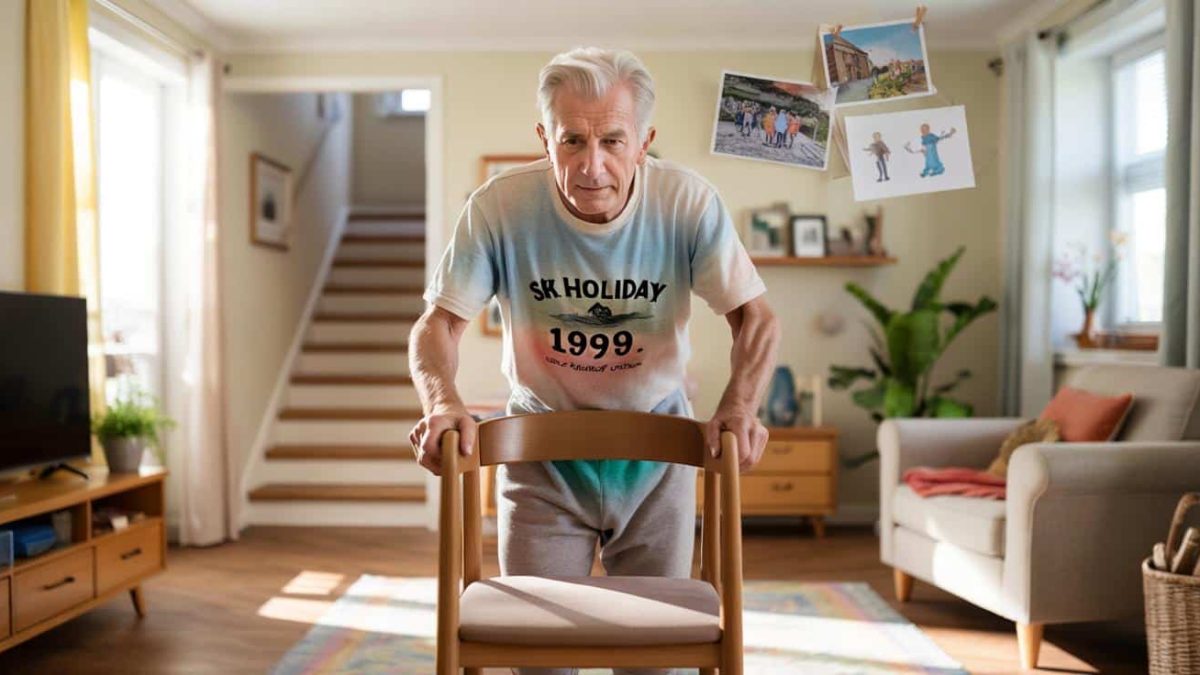
At 78 years old, he wears an old pair of sweatpants and a faded t-shirt from a ski trip in 1999. Back in the day, he used to work in the garden all day long, but now…
Maintaining mobility after the age of 70 can be a real challenge, as it’s easy to lose flexibility and strength over time. But a simple 5-7 minute daily routine can make a big difference in keeping your everyday life manageable as you get older.
This routine isn’t about intensive exercise or grueling workouts – it’s about targeting the specific muscle groups and movements that tend to deteriorate, helping you stay independent and capable of handling daily tasks with ease.
Why Mobility Declines Quickly After 70
As we age, our muscles, tendons, and joints naturally begin to lose some of their flexibility and range of motion. This can be accelerated by factors like a more sedentary lifestyle, chronic health conditions, and the general wear and tear of everyday life.
- ➡Diese einfache Hüftübung hilft Menschen über 70, ihre Schritte stabiler zu machen
- ➡Warum schwere Beine am Abend oft mehr als nur Müdigkeit bedeuten und welche sanften Übungen Experten dann empfehlen
- ➡Diese Symptome im Becken- und Hüftbereich, die Sporttherapeuten oft bei Menschen mit Bewegungsmangel sehen, und passende Übungen dafür
- ➡Warum Judo laut Experten nicht nur körperliche Stärke, sondern auch Balance und mentale Disziplin fördert
Without regular stretching and strengthening exercises, these declines in mobility can snowball, making it harder to do things like bend over, reach overhead, or get up from a chair. This loss of function not only impacts your quality of life, but also increases the risk of falls and other injuries.
The good news is that even small amounts of targeted training can have a big impact on preserving mobility. The key is making it a consistent habit, rather than sporadic bursts of activity.
The 5-7 Minute Mobility Routine
This simple routine focuses on the major muscle groups and joints that tend to stiffen up over time. By spending just a few minutes per day on these exercises, you can maintain the flexibility and strength needed for daily tasks like climbing stairs, getting dressed, and carrying groceries.
The routine includes a mix of dynamic stretches, balance exercises, and light strength training. It’s designed to be done standing, with no special equipment required. And the whole thing can be completed in under 10 minutes, making it easy to fit into your daily schedule.
- ➡Diese Symptome an Rücken, Knie und Schultern zeigen oft denselben Ursprung: zu wenig Bewegung im Alltag – so raten Experten dagegen vorzugehen
- ➡Diese Symptome an Rücken, Knie und Schultern zeigen oft denselben Ursprung: zu wenig Bewegung im Alltag – so raten Experten dagegen vorzugehen
- ➡Wenn sich dein Körper im Alltag zunehmend unbeweglich anfühlt, erkennen Physiotherapeuten darin oft mehr, als du denkst
- ➡Diese Warnzeichen an Knie und Beinen können darauf hinweisen, dass Ihr Körper mehr Bewegung braucht – so gehen Physiotherapeuten meist dagegen vor
Remember, the key is consistency. Doing this routine a few times a week, or even daily, can make a big difference in how you move and feel as you get older.
The Exercises to Include
| Exercise | Benefits | How to Do It |
|---|---|---|
| Shoulder Rolls | Improves shoulder mobility and posture | Stand up straight and roll your shoulders backward in a circular motion, 10-15 reps |
| Torso Twists | Enhances core strength and spinal flexibility | Stand with feet shoulder-width apart, twist your torso side to side, 10-12 reps per side |
| Calf Raises | Strengthens leg muscles for better balance and stability | Stand with feet hip-width apart, raise up onto your toes, then lower back down, 12-15 reps |
| Knee Lifts | Improves hip and knee mobility | Stand and lift one knee up toward your chest, then switch sides, 10-12 reps per leg |
| Wall Pushups | Builds upper body strength for daily tasks | Stand about 2 feet from a wall, place hands on the wall at shoulder height, and do 8-10 pushups |
Why This Routine Matters
Maintaining mobility isn’t just about being able to do basic exercises. It’s about preserving your independence and quality of life as you get older.
With better flexibility and strength, daily tasks like climbing stairs, getting in and out of a car, or carrying groceries become much easier. This helps you stay active, engaged, and self-sufficient for longer.
Additionally, improved mobility reduces the risk of falls and other injuries that can seriously impact your health and autonomy. By taking just a few minutes per day to work on these key movement patterns, you can enjoy a higher quality of life and stay out of the hospital.
- ➡Diese Anzeichen deuten darauf hin, dass deine Bauch- und Rumpfmuskeln unterfordert sind – mit Übungen, die Sporttherapeuten empfehlen
- ➡Drei Übungen gegen Gleichgewichtsverlust, die Sportwissenschaftler Menschen über 65 empfehlen
- ➡Warum langsames Joggen in kurzen Intervallen auch für fitte Menschen über 65 möglich sein kann
- ➡Warum langsames Joggen in kurzen Intervallen auch für fitte Menschen über 65 möglich sein kann
“As we age, preserving mobility is one of the most important things we can do to maintain our independence and overall wellbeing. Even small, consistent efforts can make a big difference.”
Dr. Maria Gutierrez, Geriatric Physiotherapist
Making It a Habit
The key to making this mobility routine effective is to turn it into a consistent habit. That means setting aside a few minutes each day, whether it’s in the morning, afternoon, or evening, to work through the exercises.
Try pairing it with another daily activity, like your morning coffee or while watching the news. This will help it become an automatic part of your routine.
- ➡Warum Gleichgewichtsprobleme im Alltag ein frühes Zeichen für zu wenig Bewegung sein können und welche Übungen Experten dann priorisieren
- ➡Diese unauffälligen Symptome zeigen, dass Ihr Körper mehr Rotation und Mobilität braucht – was Physiotherapeuten konkret empfehlen
- ➡Warum Volleyball ein unterschätztes Training für Reaktionsfähigkeit, Sprungkraft und Schulterbeweglichkeit sein kann
- ➡Diese Warnzeichen zeigen, wenn Ihrem Körper Bewegung fehlt und warum Physiotherapeuten sofort reagieren würden
You can also enlist the help of family members or friends to do the exercises together, which can make it more enjoyable and increase accountability.
The Bottom Line
Maintaining mobility and flexibility as you get older isn’t just about being able to do simple exercises. It’s about preserving your independence, reducing injury risks, and being able to enjoy your daily life to the fullest.
With just a few minutes of targeted training each day, you can make a big difference in how you move and feel. So why not give this simple mobility routine a try? Your body (and your quality of life) will thank you.
FAQs
How long do I need to do this routine?
The full routine takes just 5-7 minutes to complete. Aim to do it a few times per week, or even daily if possible, for best results.
- ➡Wenn Rücken, Beine und Schultern gleichzeitig unbeweglich sind, ist das oft kein Zufall – diese Übungen empfehlen Physiotherapeuten besonders häufig
- ➡Warum regelmäßiges Wandern ab 70 Jahren laut Studien das Herz-Kreislauf-System stabilisiert
- ➡Warum regelmäßiges Wandern nach 70 laut Studien das Herz-Kreislauf-System stabil hält
- ➡Warum Langlauf laut Sportmedizinern eines der vollständigsten Trainings für Herz, Muskeln und Ausdauer sein kann
Can I do these exercises while sitting down?
The routine is designed to be done standing, as that best mimics the movements and muscle groups used in daily life. However, you can modify some of the exercises to be done while seated if needed.
Do I need any special equipment?
Nope! All of these exercises can be done with just your own body weight, no additional gear required.
What if I have joint pain or other health issues?
Be sure to check with your doctor before starting any new exercise routine, especially if you have any pre-existing conditions. They can help you modify the exercises as needed.
How quickly will I see results?
Everyone will experience the benefits at a different pace, but most people notice increased flexibility and mobility within a few weeks of consistent practice. Stick with it, and you should continue to see gradual improvements over time.
- ➡Warum Schmerzen im Alltag oft nicht mit dem Alter, sondern mit Bewegungsmangel zusammenhängen – und Übungen, die Experten wirklich empfehlen
- ➡Why Step Aerobics is Considered an Intensive Workout for Legs, Endurance, and Coordination According to Experts
- ➡Warum Slackline laut Trainern eine der effektivsten Übungen für Gleichgewicht, Fokus und Stabilität ist
- ➡Warum Badminton Reflexe, Reaktionsfähigkeit und das Herz-Kreislauf-System gleichzeitig trainiert – laut Sportwissenschaftlern
Can I do this routine even if I’m not very active normally?
Absolutely! This routine is designed to be gentle and accessible, even for those who aren’t very active. The key is to start slowly and focus on proper form, then gradually increase the intensity as you build strength and confidence.
Is this suitable for people with balance issues?
Yes, with some modifications. Exercises like the calf raises and knee lifts can be done while holding onto a chair or wall for support. Consult your doctor or physical therapist for personalized guidance.
Can I do this routine every day?
Yes, daily practice is perfectly fine and even recommended for maintaining mobility as you get older. Just be sure to listen to your body and adjust the intensity as needed.